Can Dogs Eat Cheese? The Safe Types and the Ones to Skip
Most dogs can have a little plain cheese, but fat, lactose and blue cheese mould are real risks. Learn which cheeses are safer and how much to give.
 PawFacto Editorial Team
4 min read
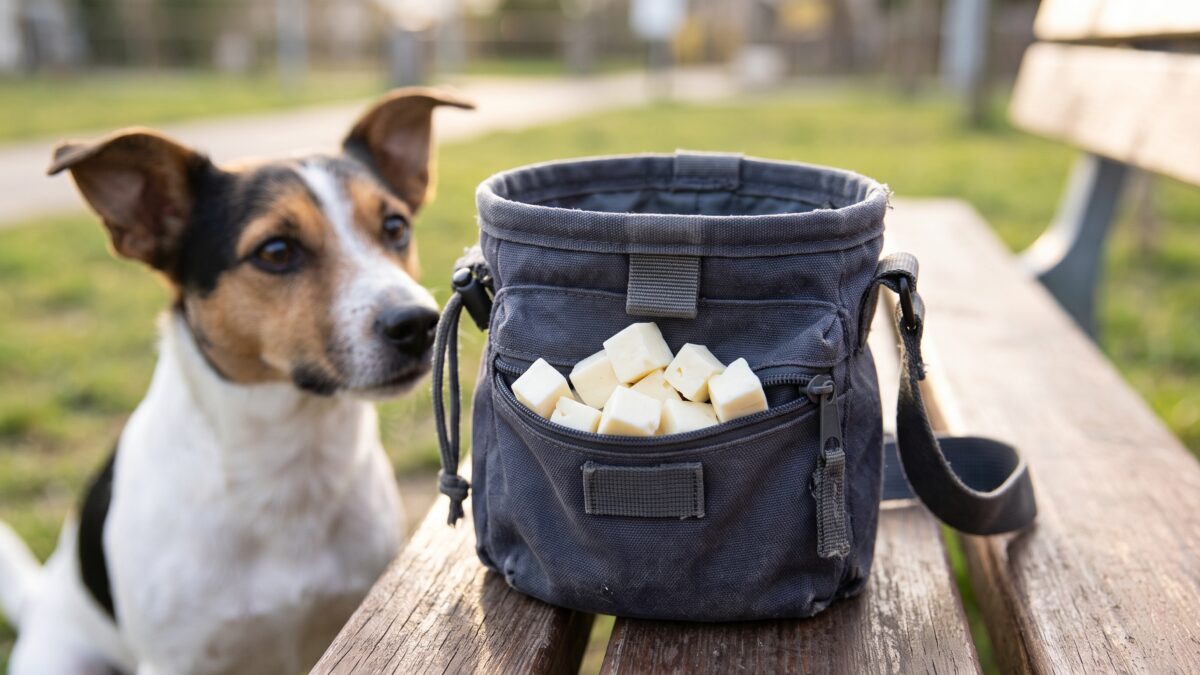
Short answer: Yes, most dogs can have a small amount of plain cheese as an occasional treat. Choose low-fat, low-salt types like cottage cheese or mozzarella, and never give blue cheese or cheese flavoured with garlic, onion or chives.
Cheese is one of the best training rewards ever invented. Dogs go wild for it, and it hides a pill better than almost anything. But “most dogs can eat it” isn’t the same as “every dog should,” and the type of cheese matters more than most people realise.
Is cheese safe for dogs?
In small amounts, cheese is well tolerated by most dogs. It isn’t poisonous, and it does provide some protein and calcium. The problems come from three things packed into it: fat, lactose and salt.
The three real risks
1. Fat and pancreatitis
Rich, high-fat cheese can add a lot of calories quickly, and a fatty treat can trigger pancreatitis in some dogs. Pancreatitis is inflammation of the pancreas. It can cause severe belly pain, repeated vomiting and weakness, and it needs a vet. An Oregon State University veterinary professor quoted by Great Pet Care points to cheddar, Swiss and Colby as higher-fat choices.
2. Lactose
Puppies make plenty of lactase, the enzyme that digests milk sugar. Many adult dogs make far less. That doesn’t mean every adult dog reacts, but some get gas, bloating, loose stools or vomiting after dairy. Cheese has less lactose than milk, so it’s often better tolerated, but sensitive dogs can still react.
3. Salt and additives
Processed slices and spray cheese carry extra salt and additives. Cheeses mixed with garlic, onion or chives are a bigger issue, because those ingredients can be harmful to dogs.
Which cheeses are better, and which should you skip?
| Cheese | Verdict | Notes |
|---|---|---|
| Cottage cheese (low-fat) | Better choice | Lower in lactose and fat |
| Mozzarella (low-fat) | Better choice | Lower in lactose; still calorie-dense |
| Cheddar, Swiss, Colby | Tiny amounts only | Higher in fat |
| Cream cheese | Rarely | Very high in fat |
| Processed slices, spray cheese | Avoid | High in salt and additives |
| Blue cheese (Roquefort, Stilton, Gorgonzola) | Never | The mould can produce a toxin called roquefortine C |
| Cheese with garlic, onion or chives | Never | These ingredients can be toxic to dogs |
Why blue cheese is a hard no
Blue cheese is made with Penicillium mould. Dogs are sensitive to the compounds that mould can produce, including roquefortine C. Vets note that a small amount of well-stored commercial blue cheese is unlikely to cause serious harm, but because the risk can include vomiting, tremors and, in severe cases, seizures, the safe choice is to avoid it entirely.
How much cheese is okay?
Treat cheese as a treat. Veterinary guidance generally keeps all treats to roughly 10% of daily calories, and cheese is dense in calories. For most dogs that means a thumbnail-sized piece for training, or a few small cubes at most. Introduce it slowly and watch for stomach upset over the next 24 hours.
Skip cheese altogether if your dog is overweight, has had pancreatitis, is on a prescription diet, or has a known dairy sensitivity.
Smart ways to use cheese
- Hiding a pill: Press the tablet into a small cube of soft, low-fat cheese. Check with your vet or pharmacist first, because a few medications shouldn’t be taken with dairy.
- Training: Cut pea-sized pieces so one block lasts a whole session.
- Topping dinner: A tiny sprinkle of grated mozzarella can tempt a fussy eater.
When to call the vet
Mild gas or a soft stool after cheese usually settles in a day. Call your vet if your dog has repeated vomiting, a painful or hunched belly, severe diarrhea, or seems very weak or tired. If you think your dog ate blue cheese, especially a large amount, call your vet promptly.
Quick answers about dogs and cheese
Can dogs eat cheese every day?
It’s best as an occasional treat. Daily cheese adds fat, salt and calories, and it raises the chance of weight gain and digestive upset.
Is cottage cheese good for dogs?
Low-fat plain cottage cheese is one of the better dairy options, because it has less lactose than milk and less fat than hard cheeses. Keep portions small.
Can lactose-intolerant dogs eat cheese?
Some can manage a tiny amount, but many shouldn’t. If your dog gets gassy or has loose stools after dairy, choose a different treat.
Can puppies eat cheese?
A tiny piece is fine as a training reward. Puppies’ stomachs are sensitive, so introduce it slowly and keep their main diet to complete puppy food.
Sources
- Great Pet Care, Is Cheese Bad for Dogs? (veterinary expert commentary)
- FirstVet, Can Dogs Eat Cheese?
- ASPCA, People Foods to Avoid Feeding Your Pets