Can Dogs Eat Human Food? A Safe and Unsafe Foods Guide
Which people foods are safe for dogs and which are toxic? A clear vet-sourced guide with a 3-check rule and what to do in an emergency.
4 min read
PawFacto explains the health, behaviour, food and training of dogs, cats and small pets in plain language. Every guide shows its sources and tells you when it is time to call your vet.
Did you know?
A dog’s nose print is unique, much like a human fingerprint.
No jargon. Clear steps you can use today.
Claims are checked against veterinary sources.
We flag warning signs and when to get help.
Pick the animal you share your home with and go straight to guides written for them.
Or browse by subject:
Fresh, checked answers to the questions owners ask most.
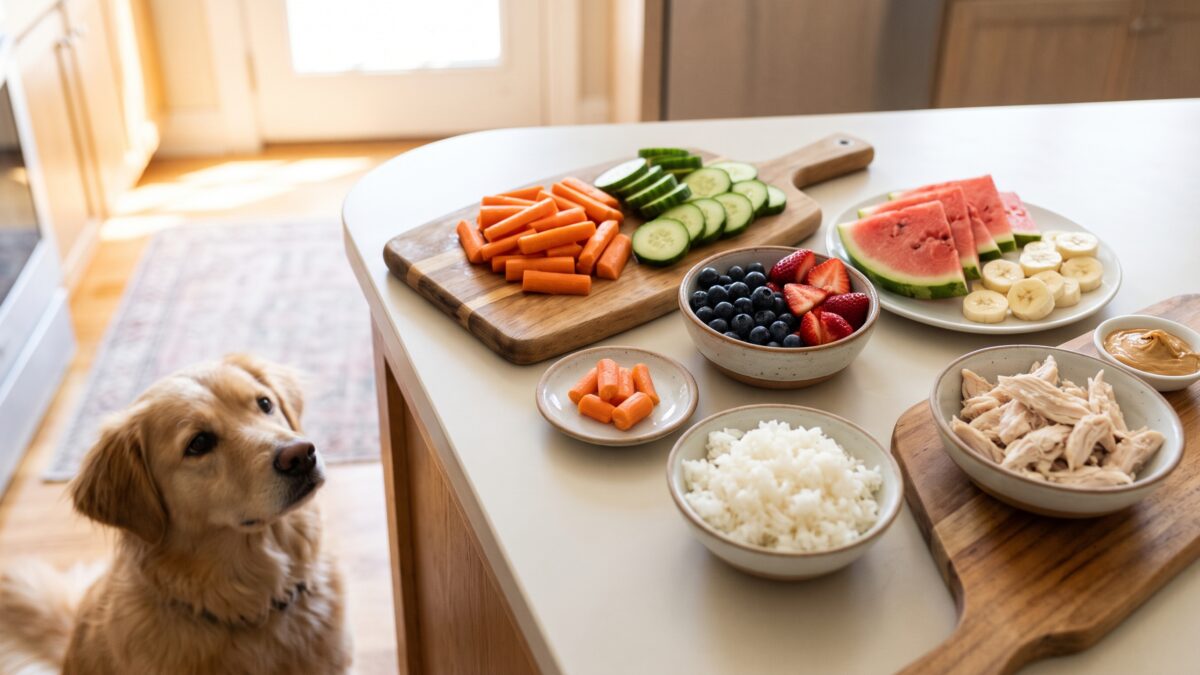
Which people foods are safe for dogs and which are toxic? A clear vet-sourced guide with a 3-check rule and what to do in an emergency.
4 min read
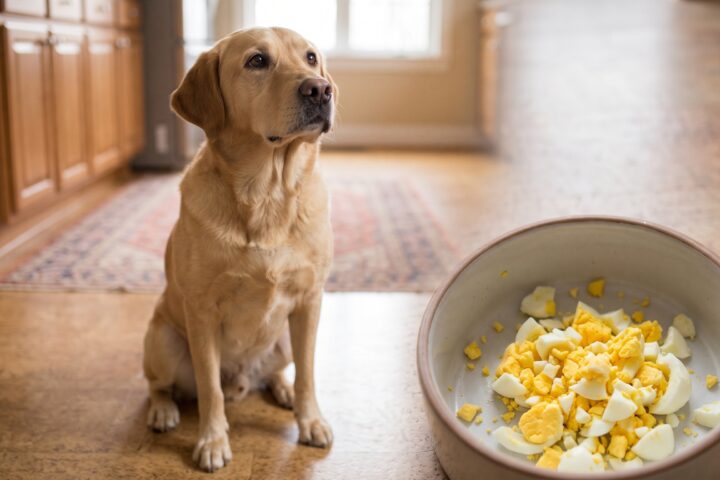
Cooked eggs are a safe protein treat for most dogs. Learn why raw eggs are risky, how to prepare them and how…
4 min read
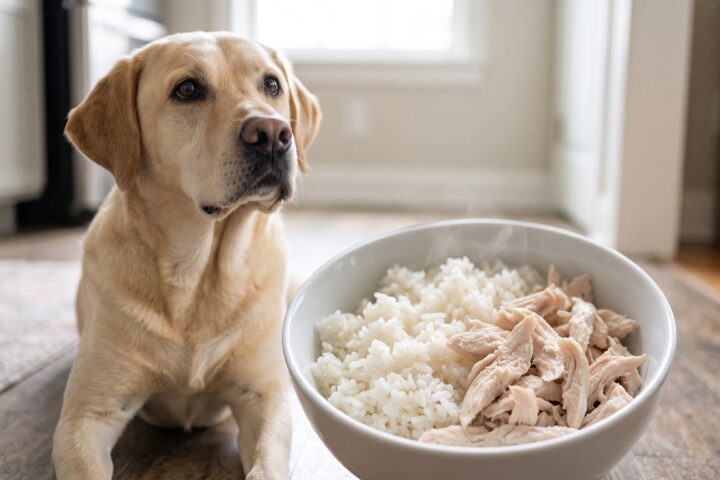
Plain cooked rice is safe for most dogs. Learn when white rice helps an upset stomach, how to cook it, and when…
4 min read
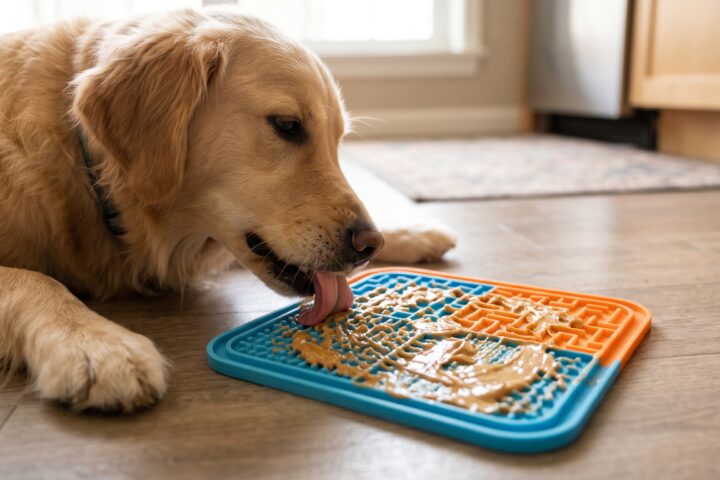
Plain peanut butter is safe for most dogs, but xylitol can be deadly. See how to read the label, how much to…
4 min read
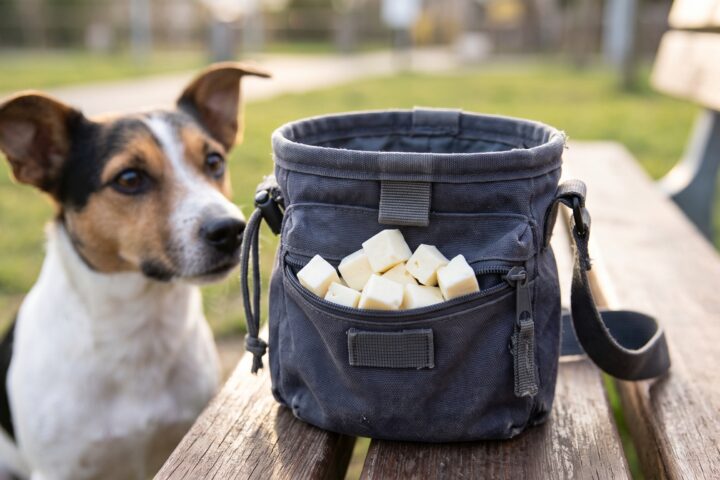
Most dogs can have a little plain cheese, but fat, lactose and blue cheese mould are real risks. Learn which cheeses are…
4 min read
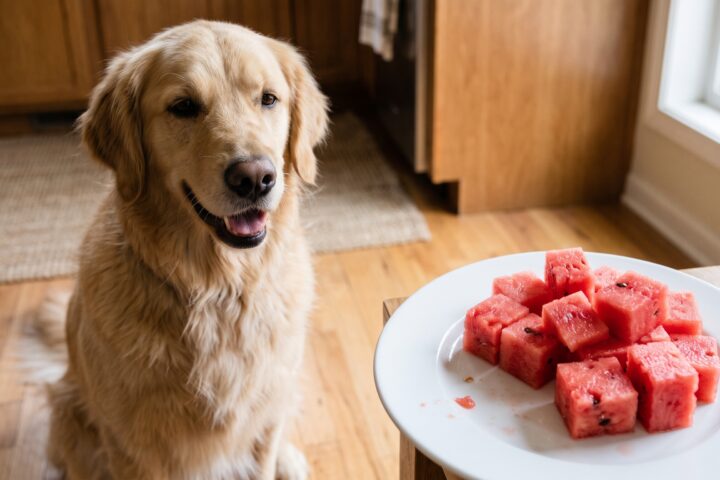
Yes, dogs can eat seedless watermelon flesh. Here’s how much is safe, why the rind and seeds are a problem, and what…
4 min read
Pet advice online is full of myths. We follow the same three steps for every article so you know what you are reading.
Topics come from the things pet owners search for, ask their vets and worry about.
We compare claims with veterinary organisations, universities and published research, then link them.
Short sections, practical steps and clear warning signs, updated when the advice changes.
Healthy adult pets generally benefit from a check-up once a year. Puppies, kittens, senior pets and animals with ongoing conditions need more frequent visits, and your vet will set the right schedule for your pet.
Some foods are fine in small amounts, but several are dangerous, including chocolate, grapes and raisins, onions, garlic and anything sweetened with xylitol. Check before sharing, and call your vet or a pet poison helpline straight away if your pet has eaten something harmful.
Sudden changes in appetite, drinking, toileting, energy or mood that last more than a day, or any sign of pain, breathing trouble or repeated vomiting, are worth a call to your vet. Pets hide illness well, so it is better to ask early.
We write about questions pet owners actually ask, check claims against veterinary and academic sources, link those sources in the post, and update guides when the advice changes.
No. Our guides are general information to help you understand your pet and ask better questions. They are not a diagnosis or a substitute for professional veterinary advice.
Tell us what you would like explained next. The best questions become guides.